



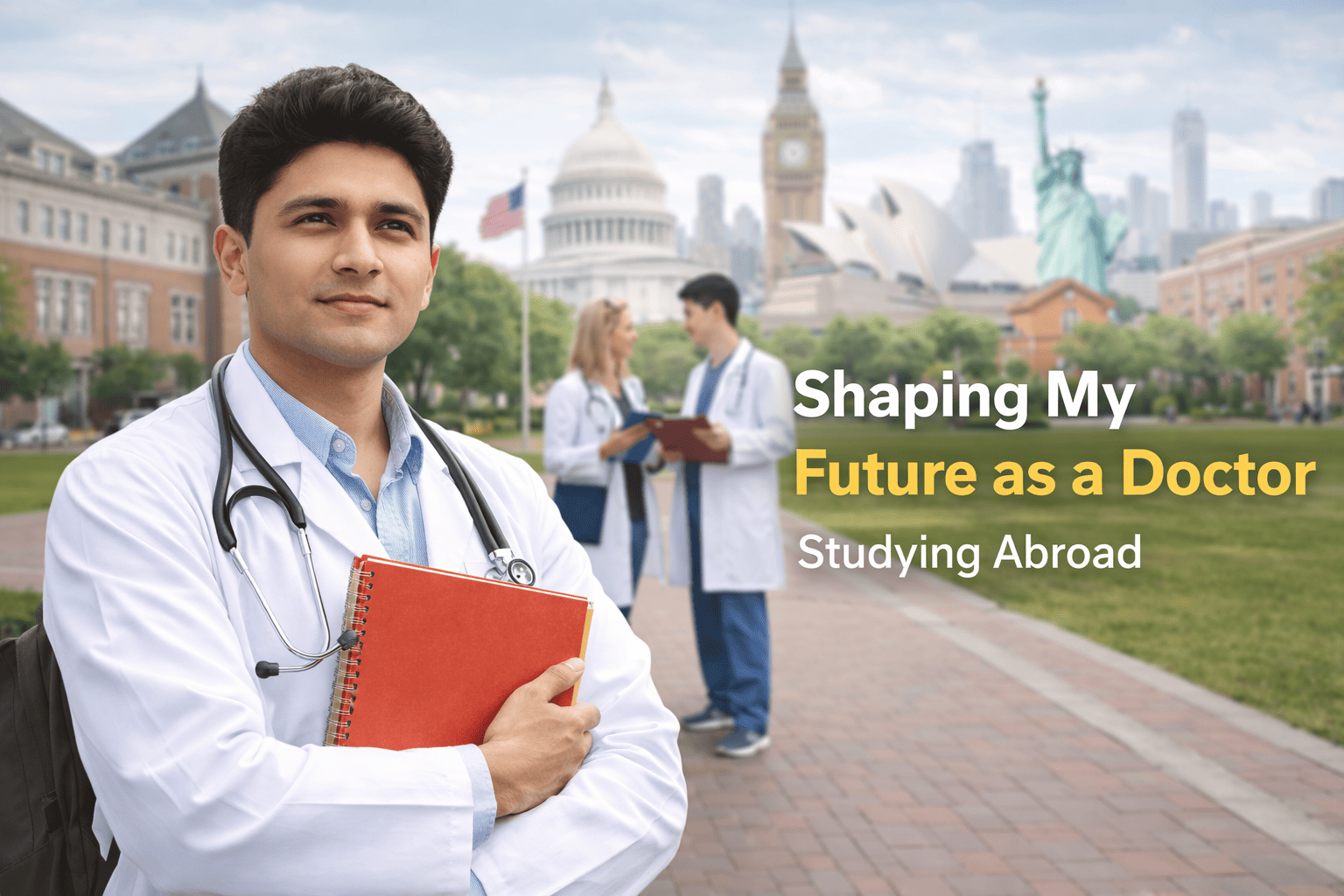
Studying abroad is a life-changing experience that offers students access to world-class education, diverse cultures, and global career opportunities. However, one factor that often creates anxiety among international students is the frequent changes in immigration rules and visa policies. Let’s explore why this happens and how students can navigate these concerns.
Whenever there is a change in the government of a country, the incoming administration may revise immigration and visa policies. These revisions often reflect the government’s broader goals, such as boosting local employment, addressing labor shortages, or responding to public opinion. As a result, students may worry about how these changes will affect their study plans or long-term opportunities.
Countries that do not require additional workforce may tighten immigration and visa policies. These changes are often aimed at protecting local job markets and ensuring that domestic talent is prioritized. For students, this can mean stricter visa requirements or reduced work opportunities, adding to their apprehension about studying abroad.
It’s important to note that changes in immigration and visa policies usually apply to students entering the country after the implementation of new rules, not those already studying there. While existing students are often unaffected, prospective students may feel uncertain about their future. This distinction should provide some reassurance to current students.
Students must remember that their primary purpose for traveling abroad is to pursue education, not employment. Focusing on academics rather than work opportunities ensures they achieve their educational goals and maximize the benefits of studying abroad.
Many countries offer part-time work permits to students, enabling them to gain valuable skills during internships and adapt to the local work culture. This is a significant benefit for students, as it helps them develop practical experience while still prioritizing their studies.
Some countries provide post-study work visas, with or without conditions, to students who successfully complete their degrees. However, students must understand that eligibility for these visas depends on fulfilling academic requirements. Assuming automatic eligibility for post-study work visas can lead to misplaced expectations and unnecessary stress.
Studying abroad is about more than just academics and career prospects. It offers a chance to learn about the host country’s customs and culture while interacting with classmates from diverse backgrounds. This multicultural exposure enhances networking opportunities, builds self-confidence, and fosters independence—essential traits for personal and professional growth.
While changes in immigration rules and visa policies can be a source of worry for students, understanding the underlying reasons and maintaining focus on education can help mitigate these concerns. Studying abroad is an opportunity to acquire knowledge, experience new cultures, and build a strong foundation for the future. By staying informed and adaptable, students can make the most of their time abroad despite any policy changes.

09 Apr 2026

09 Apr 2026

08 Apr 2026
08 Apr 2026

08 Apr 2026

07 Apr 2026

07 Apr 2026

02 Apr 2026